Web Design
Gamification in UX Design: Turning Interactions into Motivation
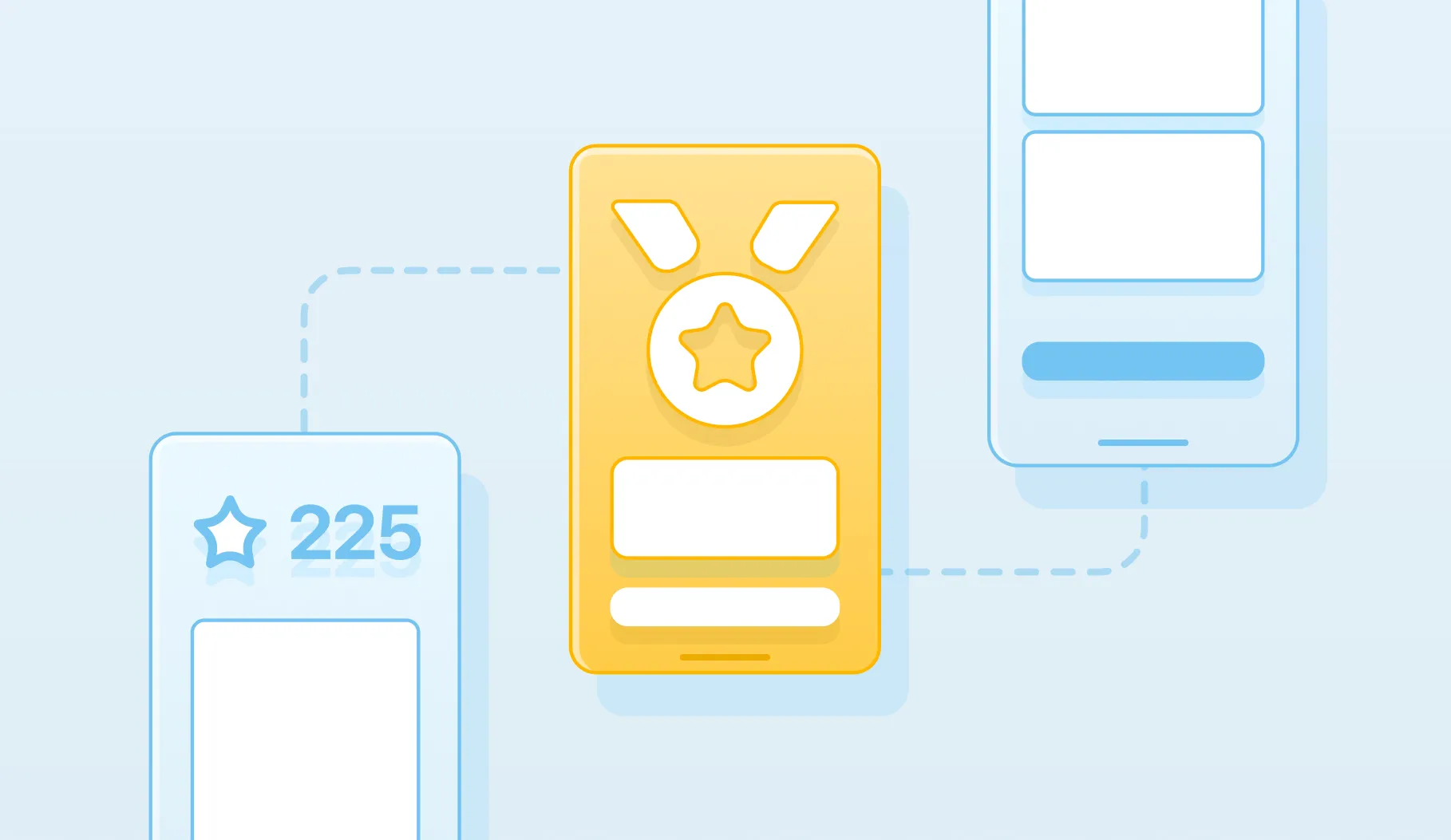
Gamification has and continues to reshape how digital products hold one's attention. It takes what works in games – progress, challenge, and feedback – and weaves those same hooks into product interfaces. When done right, gamification keeps people coming back not out of habit but because the experience feels rewarding in itself.
What Makes Gamification Work
At its base, it’s all about building small systems of cause and effect. A button click that gives feedback, a progress bar that fills up, and a badge that recognizes effort. These loops satisfy the user’s needs for visible progress and a feeling of mastery.
Gamification turns interfaces that are just interfaces into environments that react, guide, and reward users in subtle ways. When applied, gamification changes how people relate to a product.
A budgeting app can feel less like paperwork and more like leveling up your finances. A fitness tracker becomes a companion that notices and applauds consistency. And it’s not the graphics or rewards that matter the most, but rather that every action counts for something on the way.
Common Patterns
Progression systems track and reward users’ effort. You can see that in progress bars, streak counters, or features that unlock over time. Progression systems build rhythm and give users a reason to return.
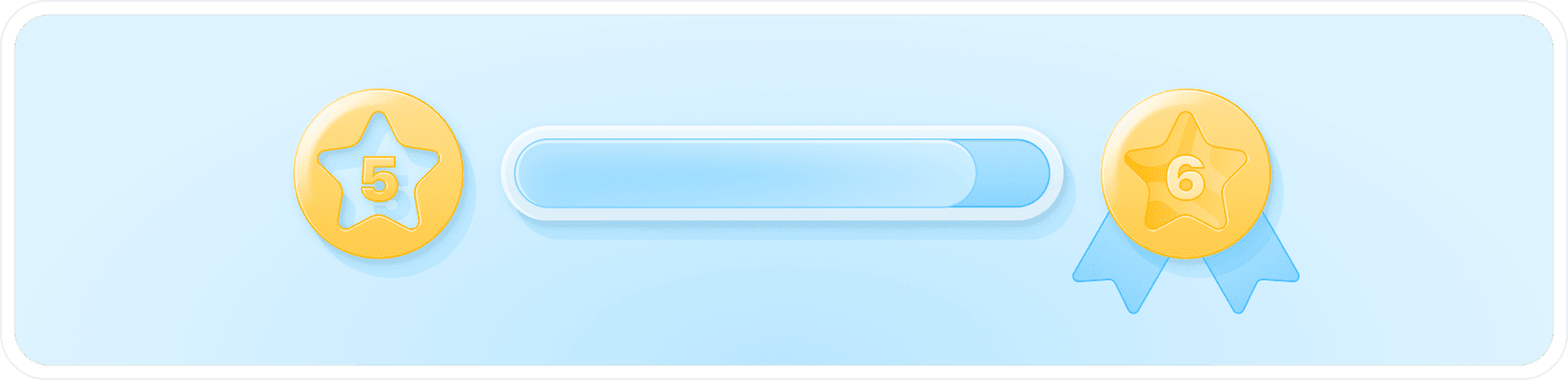
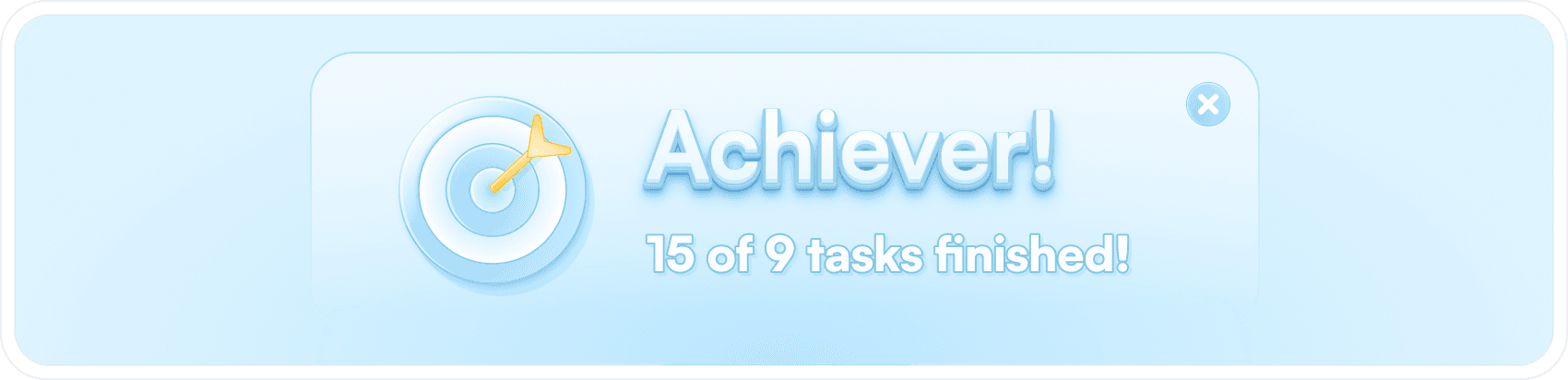
Rewards and incentives: Points, badges, or small perks make progress visible, and the key is not the size of the reward but the recognition that keeps the motivation.

Challenges and competitions can add healthy tension as well. Leaderboards, events, and peer comparisons give something to chase, and when designed with care, they help build community rather than just add fluff. Feedback loops tie it all together.
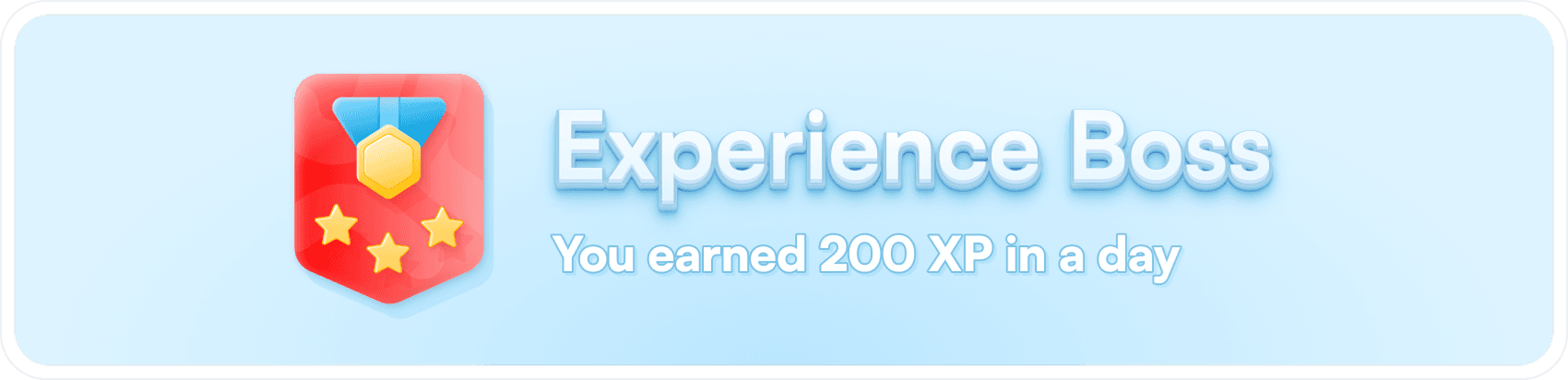
Real-time responses, notifications, and performance summaries make the system feel alive and connected. Without feedback, users can lose a sense of purpose in the process.
The Tough Parts
It’s easy to overdo it. Many apps clutter their interfaces with achievements and streaks to the point that users tune them out. Worse, some brands manipulate these systems to trigger compulsive behavior rather than real engagement. You see this often in gambling-style mechanics disguised as rewards.
Good gamification respects attention. It amplifies purpose instead of hijacking it. Designers have to align these systems with the user’s intent, not just business optics. That means knowing what actually motivates people and building around that.
Engagement is another challenge. Without fresh content or growing goals, mechanics can go stale. The solution isn’t constant novelty; it’s progression that grows with the user on the journey.
Gamification Examples That Work
Duolingo makes language learning attractive for the right reasons. You earn experience points, collect streaks, and compete with friends, and everything feeds back into the actual goal, learning words that stick.
Nike Run Club turns workouts into mini competition goals. Each run adds a journey, badges, and challenges that keep runners moving even after motivation dips.
Fitbit rewards consistency instead of randomness. Celebrates small wins, social steps, and progress that feels achievable to anyone. Psychological pacing is what keeps people wearing it daily.
LinkedIn quietly gamifies professional growth. Completing your profile or gaining endorsements feels like ticking off quests that build reputation and credibility.
Takeaway
Gamification is not another hip feature or just a gadget. It’s a behavioral design that gives users a reason to care. When built around genuine goals and honest feedback, it creates momentum that no marketing trick can replace. The trick isn’t to make products fun – it’s to make them feel alive.