Apple didn’t invent good design, but it did something more interesting. It made design feel inevitable and was a pioneer of it in the growing digital age.
Nowadays you pick up an Apple device and it behaves exactly the way you expect. That kind of intuition is rare, and most companies still chase it without admitting they are.
Jobs explained the mindset in a short line people still quote for a reason:
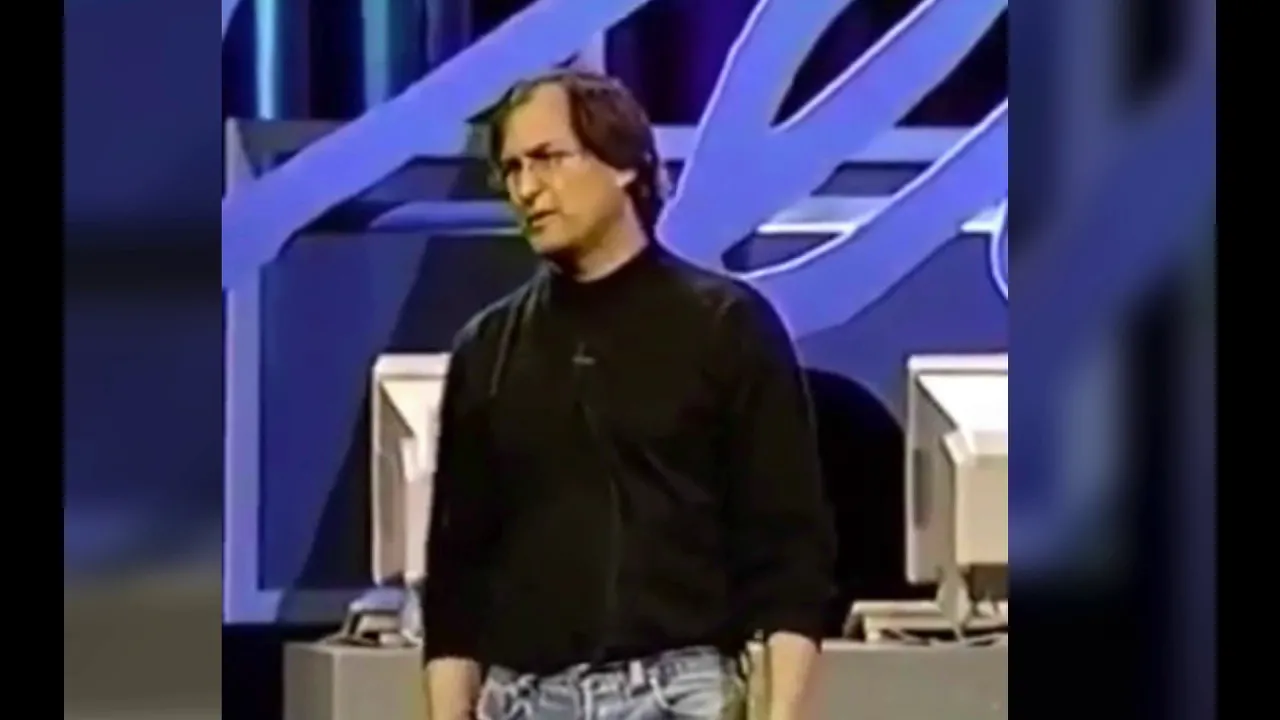
“Start with the customer experience and work back toward the technology.”
— WWDC 1997
Plenty of teams say and market the same thing, but Apple actually built products around it. They didn't use it as marketing fluff but instead removed fragmentation, trimmed friction, and kept removing clutter until the product felt right to use. That restraint is what built the company and brand, not the hardware specs or the marketing behind it.

Quality isn’t just the product or service. Its having the right product. Knowing where the market is going and having the most innovative products is just as much a part of quality as the quality of the construction of the product. And I think what we are seeing the quality leaders of today have integrated that quality technology well beyond their manufacturing.
— Interview from 1990s during production of “An Immigrant’s Gift.”
Jobs had a wider definition of quality than most people in the industry at that time and Apple still operates by those same principles. They aim for relevance, not volume. They choose direction before the market grows to it. That is why their products often feel intentional long before competitors grasp the same idea.
The strength of Apple’s thinking
If a feature creates friction, it gets reworked or thrown out. You can see that in the smallest details especially when new software updates come out, and something gets re-done completely.
Apple treats simplicity like a technical requirement, not a decorative layer.
A few moments that shows just how deeply Apple tunes the smallest building blocks of it's brand:
The inertia of iPhone scrolling.
The way macOS animations guide your eyes without begging for attention.
The trackpad click that feels physical even though nothing moves.
These details look small on their own, but together they create an intuitive sense of control that other brands struggle to reach or just overlook.
Jobs’ principles for Apple set a bar high enough that even the Siri overhaul with the new AI integration meant for the iPhone 16 lineup never made it in the form it was presented at WWDC 2025. The tech just wasn’t ready to meet the standard Apple expects from anything that carries real responsibility. Instead of forcing a half-cooked feature into people’s hands.
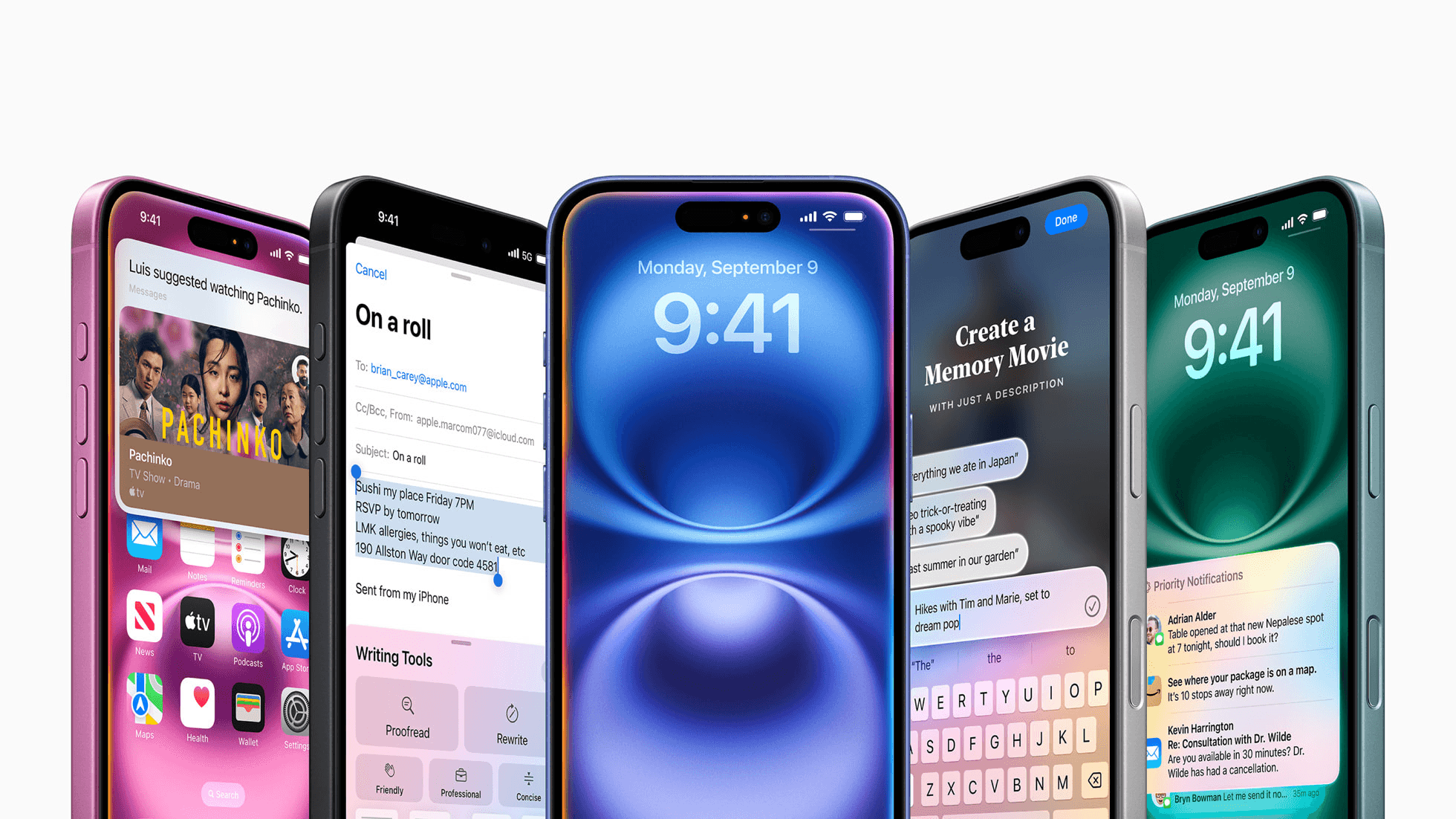
The current AI — large language models (LLMs) — can be impressive in terms of their capabilities, but they still fall short of the consistency Apple expects from anything that carries its name. The team clearly underestimated how hard it would be to make this technology feel stable, predictable, and genuinely helpful. You can’t release something that only works halfway when people rely on it to handle everyday tasks.
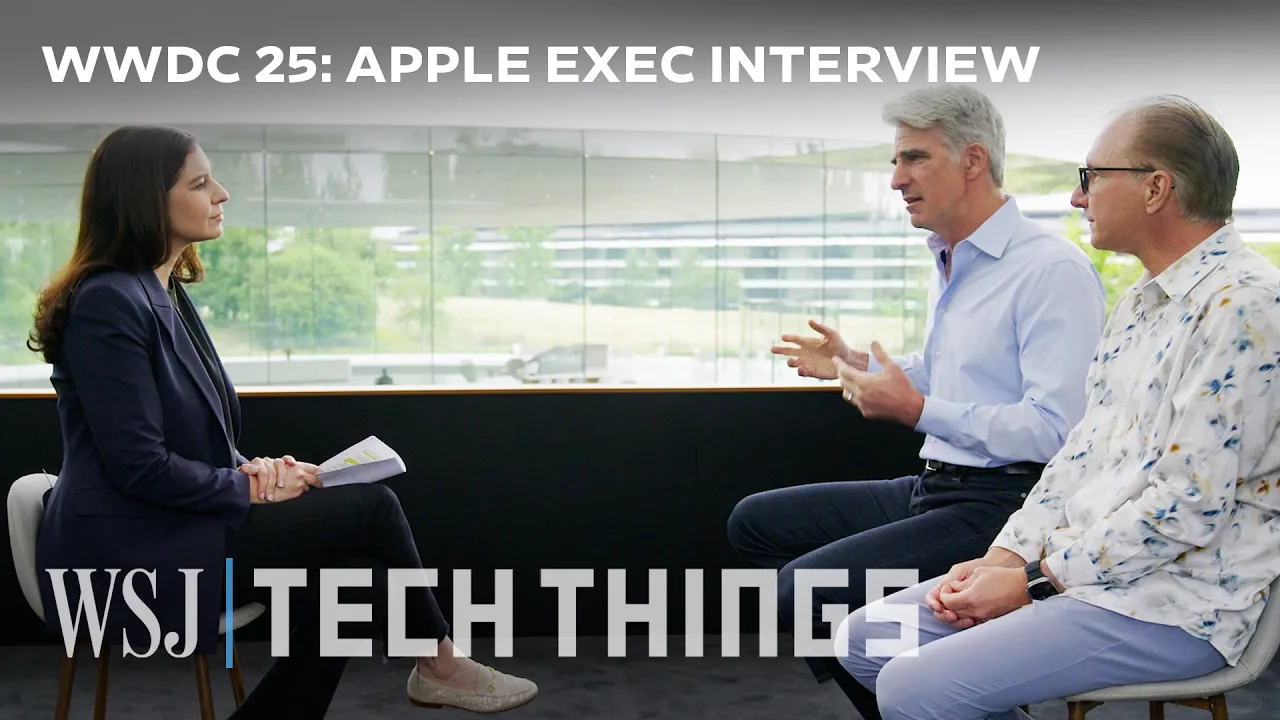
We weren’t able to achieve the reliability in the time we thought. … The system didn’t converge in the way, quality-wise, that we needed it to. … We wanted to be really really reliable. We wanted to do it best.
— Craig Federighi, Senior Vice President of Software Engineering at Apple Inc
Jobs’ actual legacy
Apple is different from companies that release features for the sake of gimmick and timing. Apple waits until a feature is visibly refined and well done. Everyone else rushes and then patches just for the sake of being first.
“There’s a just a tremendous amount of craftsmanship in-between a great idea and a great product.”
— Excerpt from Steve Jobs 1995 'The Lost Interview'
Steve Jobs’ legacy lies more in the philosophy and approach that shaped how those products came to life. His real contribution was the idea that technology should feel inevitable once you touch it, as if it always should have existed in that exact shape, weight, and behavior.
He pushed teams to strip away anything that created confusion or emotional distance between a person and the thing they were interacting with. That obsession created empathy in Apple’s design fundamentals. “How it feels” is just as measurable as “how it works,” which is still the north star behind every Apple release.
He also reframed the role of hardware and software. Before Apple’s rise, most companies treated design as decoration and engineering as the core. Jobs flipped that idea around. For him, design was not how something looked; it was how it functioned.
A device, an interface, a gesture, a sound, a pixel—all of it was part of the experience. That idea pushed Apple to build ecosystems instead of fragmented products. iPod and iTunes. iPhone and App Store. MacBook and Apple TV. The value came from the harmony between them. This kind of thinking is now a blueprint followed by almost every modern tech company trying to create that unified experience.
Brand is not a logo or a campaign; it is a promise about how the world should feel when someone uses your product. Jobs built Apple around clarity and intention.
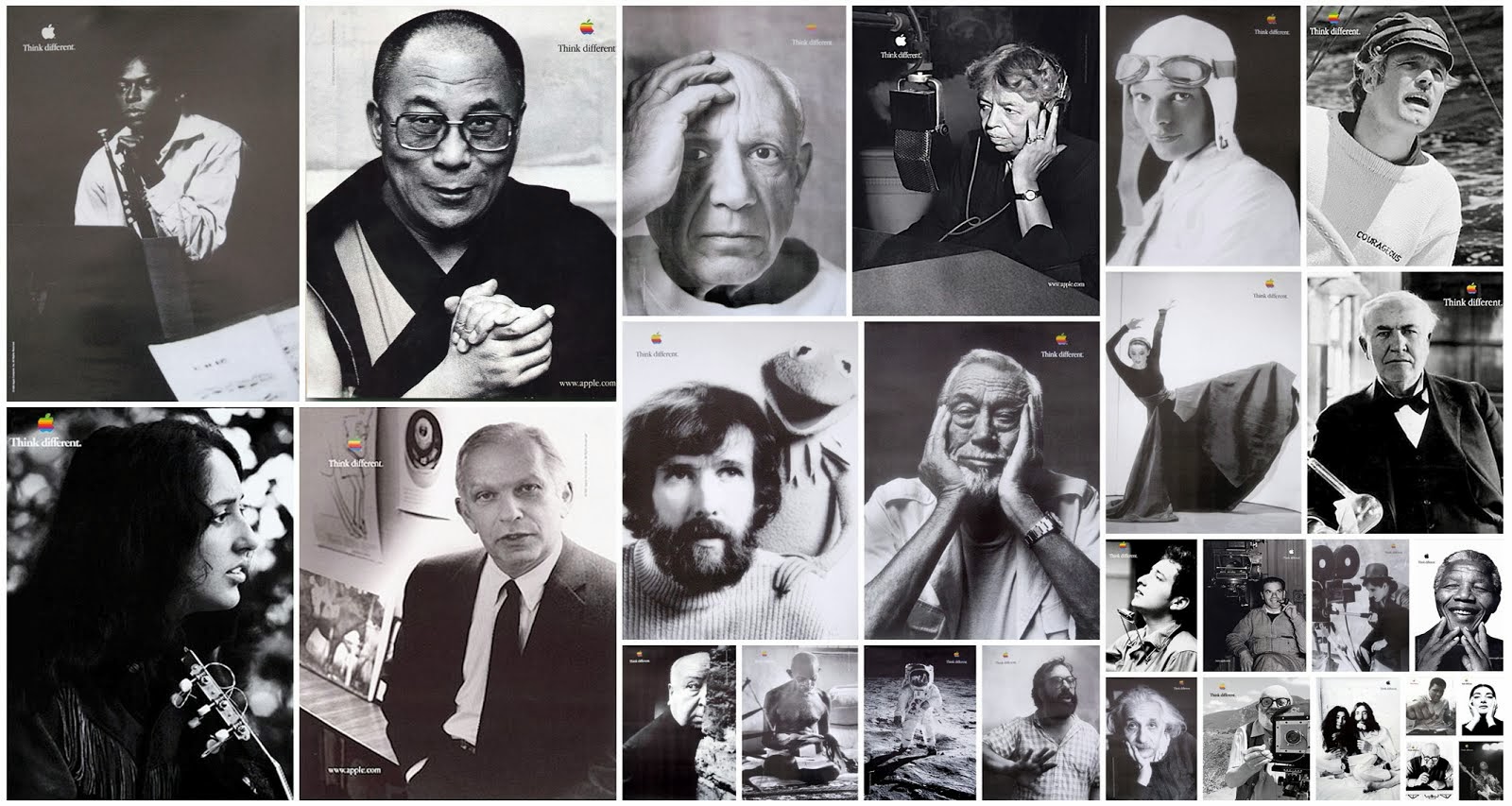
Ads focused on people and their stories, not specs. Stores looked like displays of innovation rather than retail spaces.
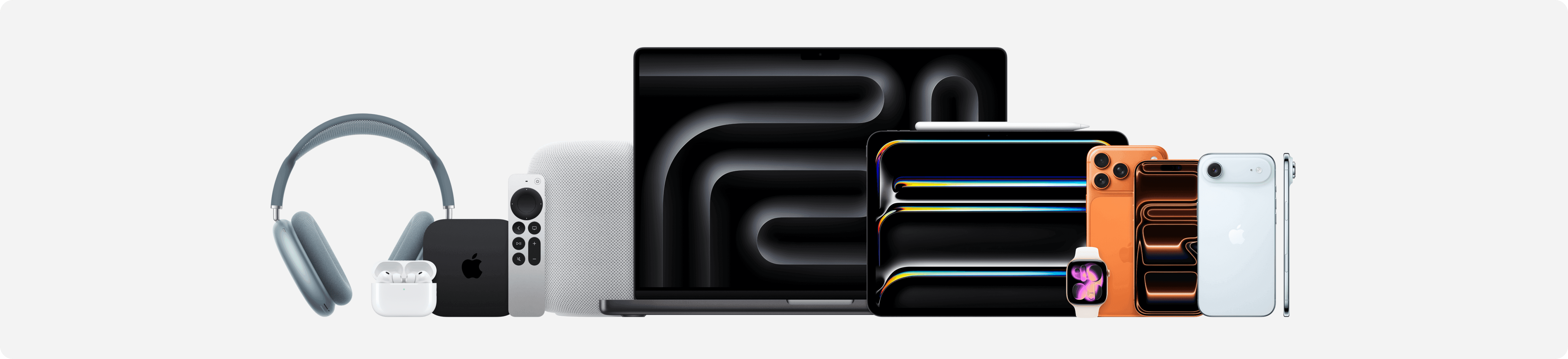
Packaging felt like unwrapping something crafted with soul and mastery, not manufacturing. This consistency of exceptional product delivery turned Apple into a cultural symbol rather than just a company.
It stated something more about simplicity, creativity, and care than just what the words would imply.
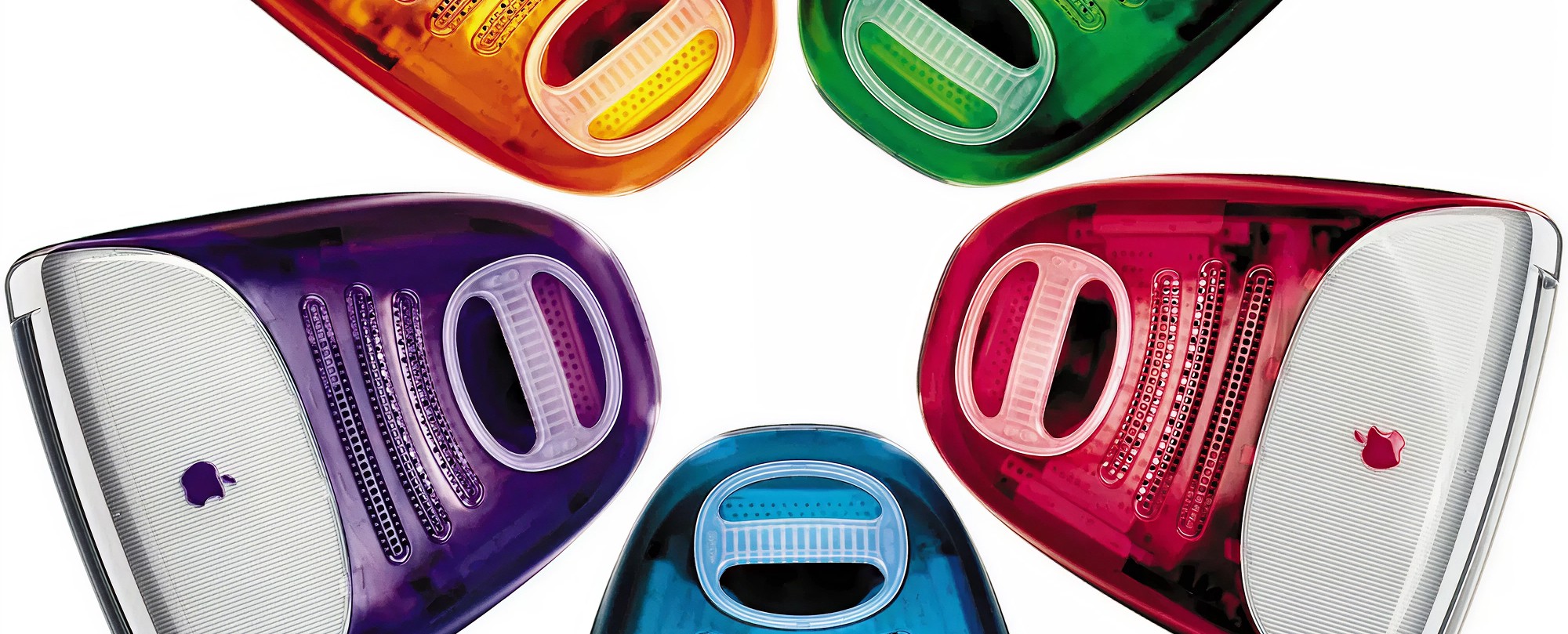
Jobs treated taste as a responsibility that required making choices that respected the user’s time, focus, and emotion. He believed that details matter because people feel them even when they can’t articulate why. This mindset continues to define Apple’s output nowadays. They are still guided by the idea that technology should serve the human, not the other way around.
The competition is still taking notes
It’s funny how often competitors criticize Apple, then quietly copy the same ideas the next year (or sooner). Look around and the pattern is obvious.
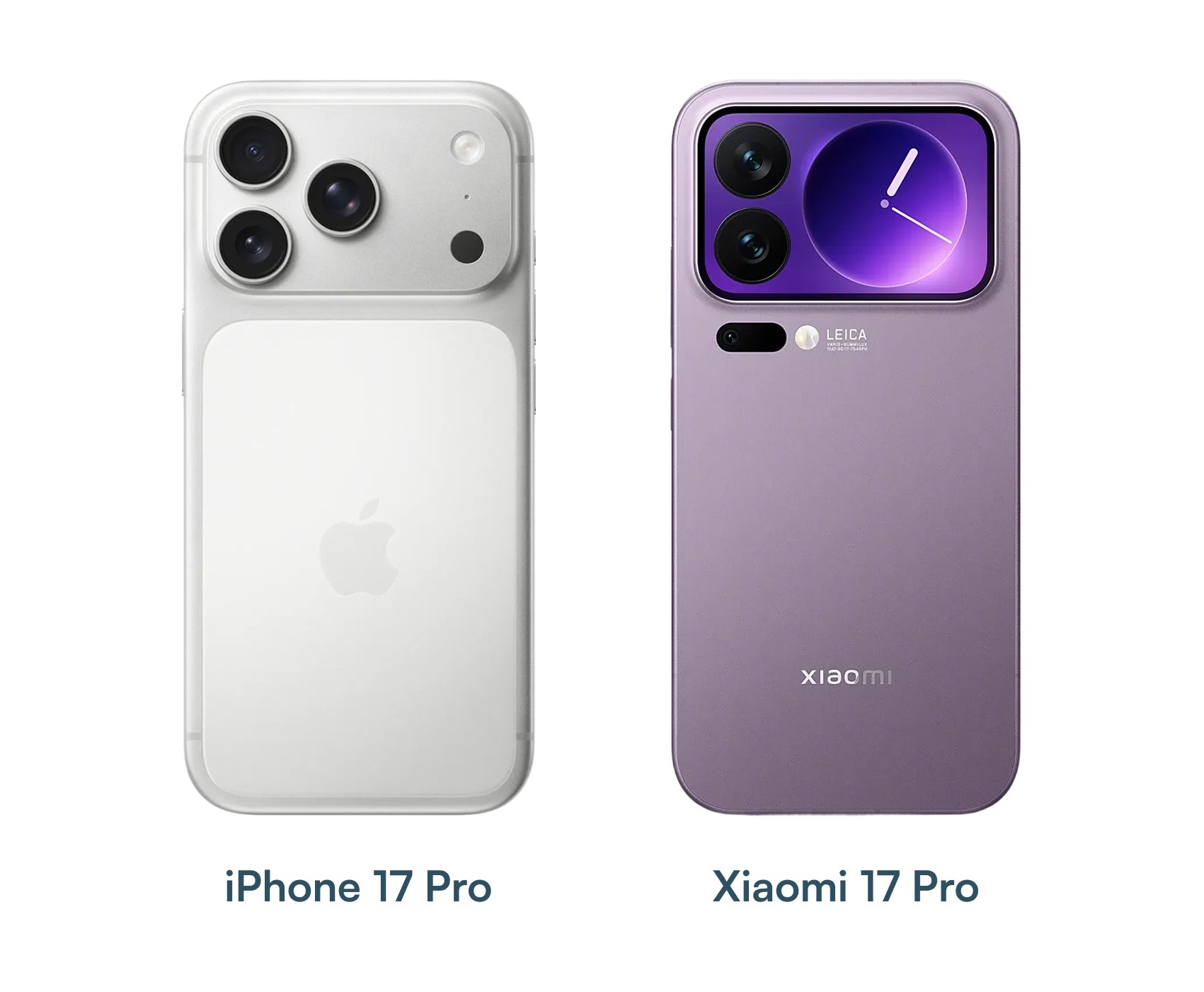
Xiaomi’s 17 Pro takes the imitation game to an almost absurd level. You look at it once, and the iPhone 17 Pro comparison appears on its own. The camera block, softened shape, and titanium finish all pulled straight from Apple’s homework.
Xiaomi has copied Apple before, but this round is so direct that it turns into its own kind of honesty. To give Xiaomi some credit, the Xiaomi 17 Pro and Pro Max do offer something Apple doesn’t: a second screen on the back. It handles quick selfies, music controls, notifications. But whether this feature actually improves the product in real use is up to the specific users.
Other brands follow the same script. Unibody laptops. Minimal ports. Clean surfaces. Everyone would pretend these choices appeared out of nowhere or just point them to "minimal" design instead.
Modern echoes
Look at the devices and services that people actually enjoy using today. The best ones borrow his quiet rules.
Tesla builds cars with interfaces that strip away clutter until the driver is left with only what matters.
Notion took the idea of a calm workspace and made it flexible without turning it chaotic.
Even companies like Valve and it's Steam Deck, which live in more gamer focused corners of the market, learned that people respond to clarity, not complexity via handhelds.
Jobs pushed the idea that technology should feel obvious, trustworthy, and almost self-teaching. Modern products that succeed today often follow that same instinct.
Why Apple Remains the Reference Point
Consumers and companies keep paying attention to Apple because the principles behind their work consistently hold up in the real world. Even people who prefer alternatives recognize that Apple sets a kind of baseline for how technology should behave. The industry watches them because the user watches them, and the user watches them because their products help accomplish their goals and intents. It is hard to ignore a company that keeps proving restraint is more powerful than noise.
What the Market Keeps Proving
Every few years the industry pretends it has moved past Apple, yet it always circles back to the same principles. Even with all the talk about AI and new hardware categories, the products that win are still the ones that remove friction and make sense without instruction. Apple didn’t create that truth, but they proved it again and again. Anyone building technology now can either follow that path or ignore it and hope for the best. History shows what happens either way.